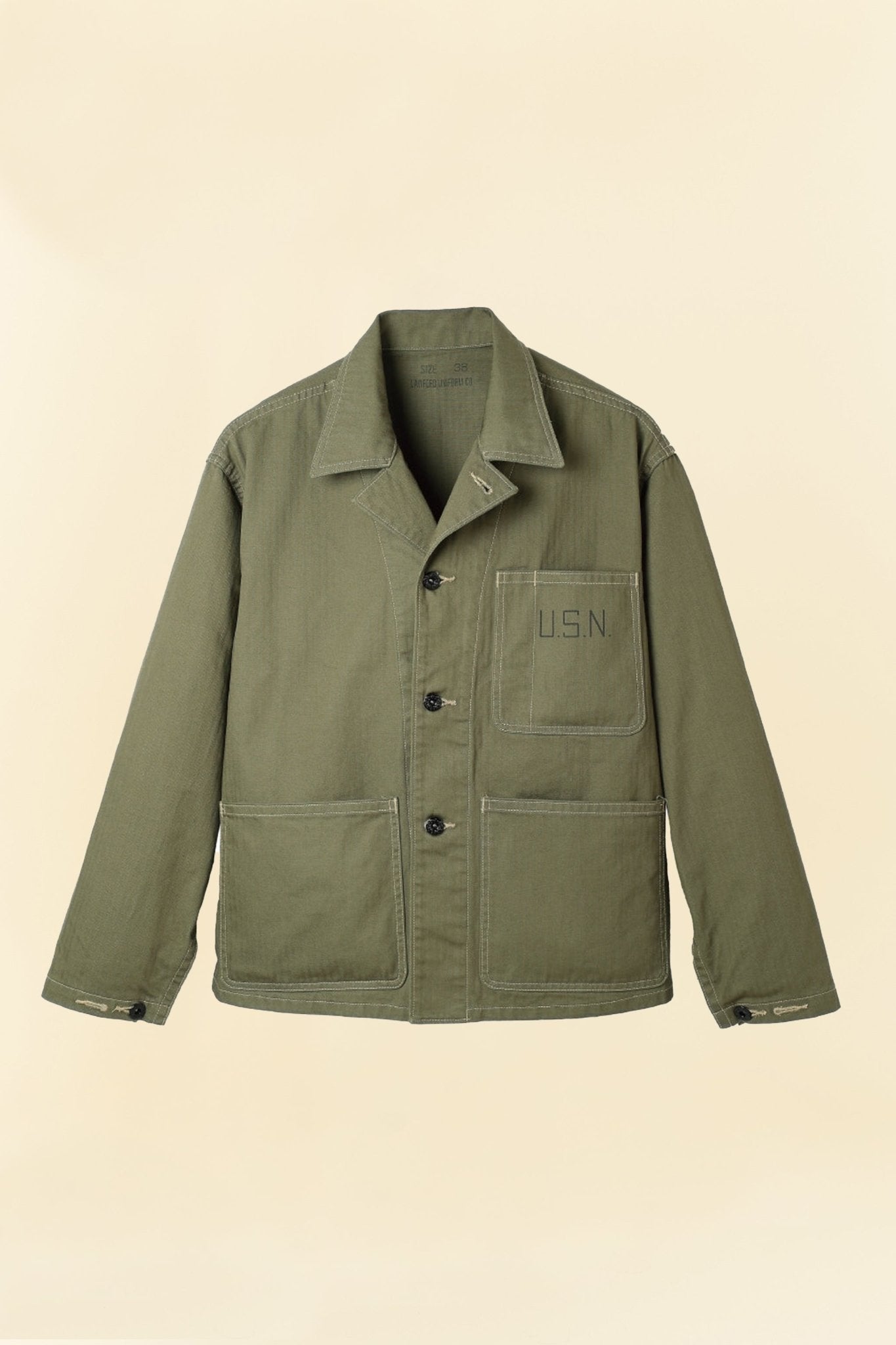
Lawford
14 items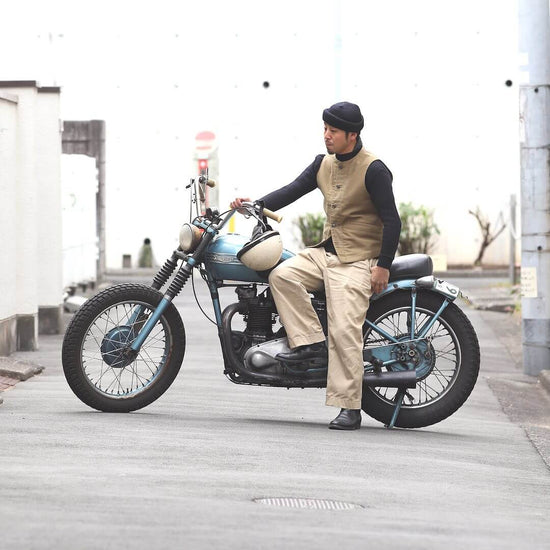
Jackets & Outerwear
50 items
Japanese Selvedge Denim
50 items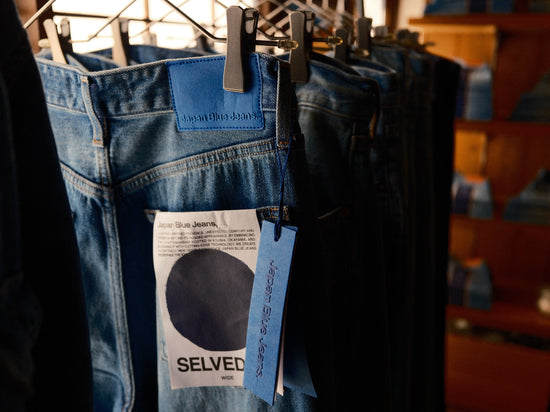




Japanese. Lawford is designed and run by Kazu Takeshige out of Tokyo, drawing on British and American workwear history as reference points rather than being made in either country.
Not formally. Kazu Takeshige worked at Black Sign before founding Lawford in March 2020, and that background informs Lawford's approach to fit and construction, but the two are separate, independent labels.
Japan. Lawford works with established Japanese mills and production facilities, and produces in small batches rather than large runs.
Lawford runs small-batch production by design, not as a marketing tactic. That keeps quality consistent but means popular sizes and pieces can sell through quickly, with no guaranteed restock date.
Lawford balances period-accurate proportions with wearability, rather than reproducing vintage patterns exactly. If you're used to brands like TCB or Momotaro, expect a similar attention to construction with a distinct silhouette shaped by British and Americana references.
Treat raw or once-washed denim pieces the way you would any Japanese selvedge garment — spot clean where possible, wash cold and infrequently, and hang dry. Outerwear pieces should follow the care instructions on the garment label given the range of fabrics used across the collection.