Japanese Selvedge Denim
50 items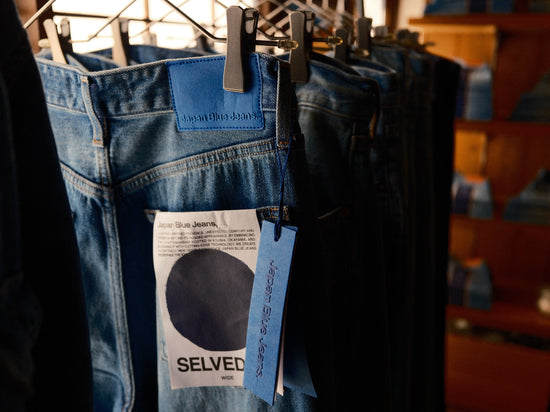
Iron Heart
10 items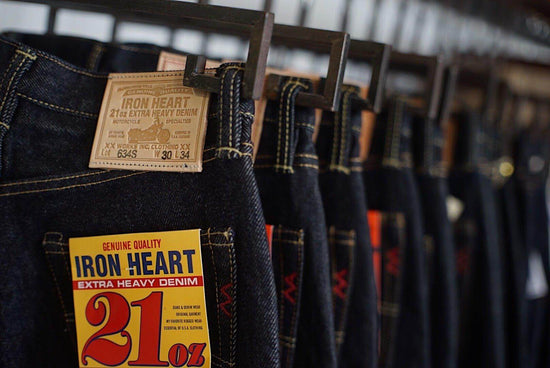
MOMOTARO JEANS
14 items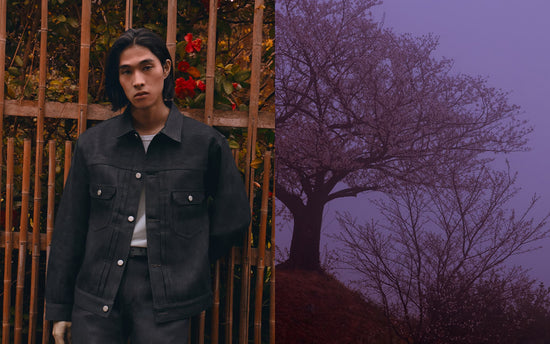
Tanuki Denim
5 items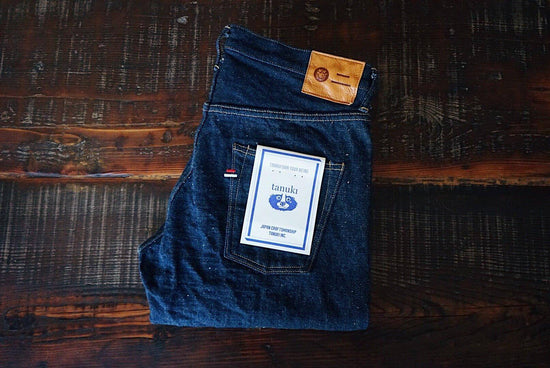
TCB Jeans
29 items

Wash them when they are dirty or smell. If you want high-contrast fades, wear them three to six months before the first wash and wash sparingly after that. If you prefer a softer, even fade, washing every few weeks with daily wear is fine.
Most Japanese jeans are sold once-washed and can be worn straight away. Raw, unsanforized jeans should be soaked or washed before you hem them, as the first wash can take several centimetres off the length.
Yes. Turn them inside out, do up the fly, wash cold on a gentle cycle with a mild detergent, and hang them to dry. Never use a dryer.
Once-washed and sanforized jeans shrink very little in a cold wash. Raw, unsanforized jeans shrink noticeably on the first warm wash, typically a few centimetres at the waist and around five centimetres in length.
With regular wear, whiskers and honeycombs usually appear within three to six months, with defined contrast after nine to twelve months. Heavier fabrics and lighter wear take longer.
High-contrast fades show sharp, pale lines against a dark base and come from deep ring-dyed indigo, heavier fabric and infrequent washing. Vintage or low-contrast fades are softer and more even, from lighter dyeing, softer fabric or more regular washing.
No. Cold does not reliably kill the bacteria that cause odour. Airing jeans between wears helps, and when they smell, wash them.
Loose indigo sits on the surface of new denim and transfers with friction, especially when damp. It reduces with each wash. Until then, take care with light-coloured shoes, bags and upholstery.
As soon as the fabric at the crotch or thighs starts to thin. Reinforcing worn denim before it tears gives a smaller, neater repair and extends the life of the jeans considerably.